Industrial Image Processing
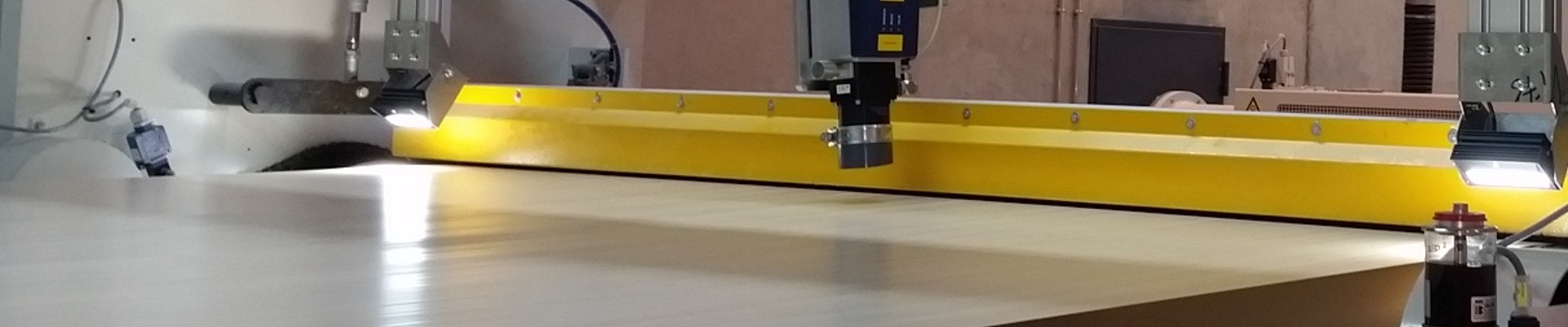
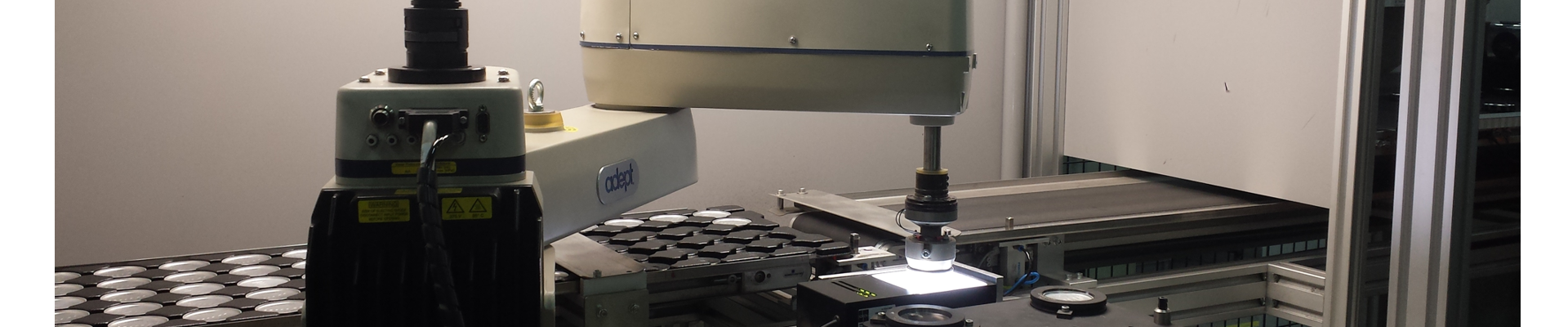
Image processing systems allow machines to see via industrial digital cameras and highly developed software algorithms. This opens up fascinating new possibilities for automation.
Quality and output are increased through advantageously applied camera technology combined with robot and servo drive technology. Digitization allows for seamless traceability.
When it comes to controlling the existence and completeness of work pieces, industrial camera systems are in action tirelessly. Today, vision technology also provides reliable support for object measurement and surface inspection.
In contrast to the human eye, digital image processing allows a permanent storage of image data and thus a backtracking of quality. In this case, the camera is superior to the human eye.
Image processing systems are successfully used in quality management. Following recurring patterns, the quality of products is measured and assessed through nondestructive testing.
A high degree of rationalization and consistent quality are achieved by automatic object measurement.
Bottle Inspection
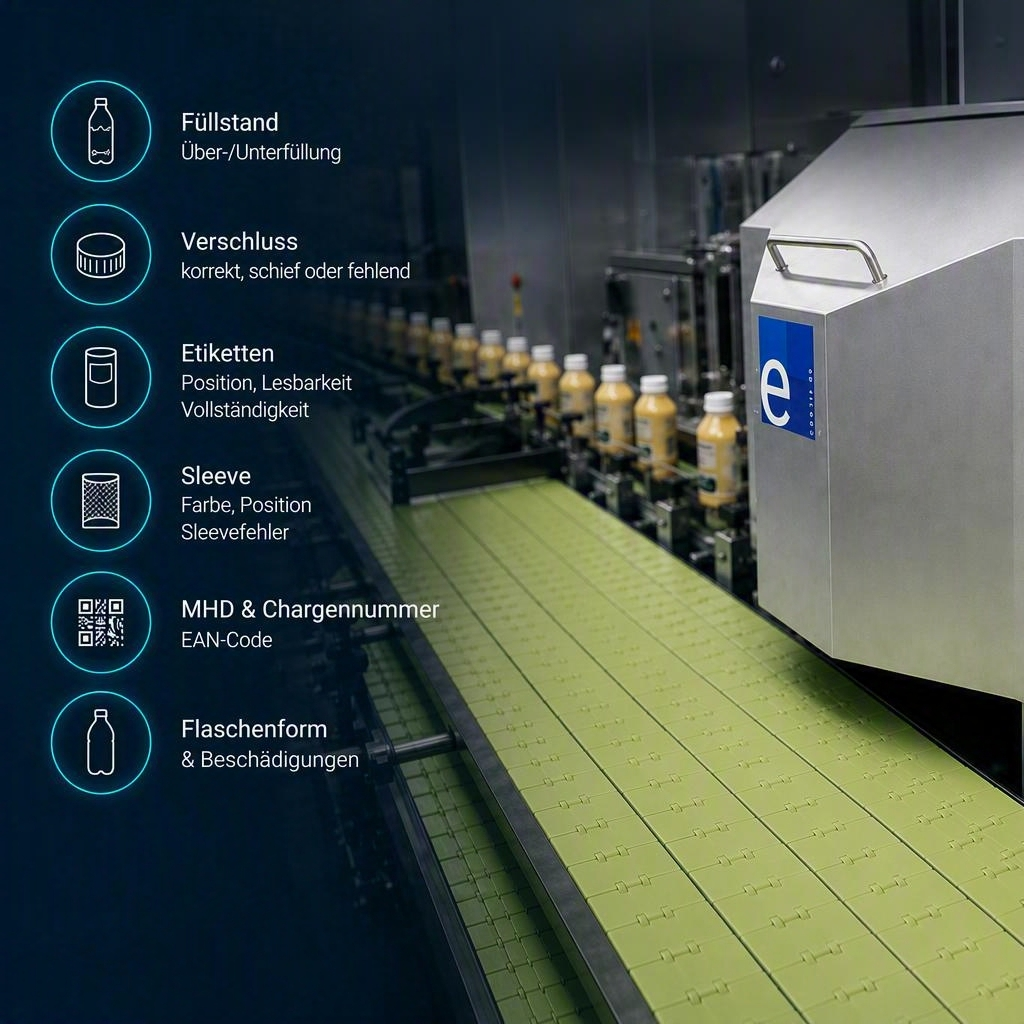
In modern beverage production, the highest quality standards, efficiency, and product safety are crucial. Image processing systems for bottle inspection enable seamless, automated inspection—fast, reliable, and around the clock.
Camera systems inspect each bottle in real time using 360° measurement. Fill level, cap, label, and damage are detected. Defective bottles are immediately identified and rejected. With manual visual inspections, reliability varies depending on the inspector’s level of concentration. The inspection system operates fully automatically, consistently, and reliably—for every single bottle. Image data and inspection results are automatically saved, ensuring full traceability—accessible at any time for quality documentation, audits, and root cause analyses in the event of deviations. Contaminants, foreign objects, or improperly sealed bottles can be detected early. This reduces risks to consumers and helps prevent product recalls.
Our systems reliably detect:
• Fill level and overfilling/underfilling
• Closure (correctly sealed, crooked, or missing)
• Labels (position, legibility, completeness)
• Color and position of the sleeve (sleeve defects)
• Best-by date, lot number, and EAN code
• Bottle shape and damage
• Foreign objects or contaminants
For new products, training occurs automatically. Based on the first few bottles, the system independently creates a product-specific “fingerprint” to serve as a
reference for quality inspection. Product and order data are imported directly from the ERP system.
Cheese quality control
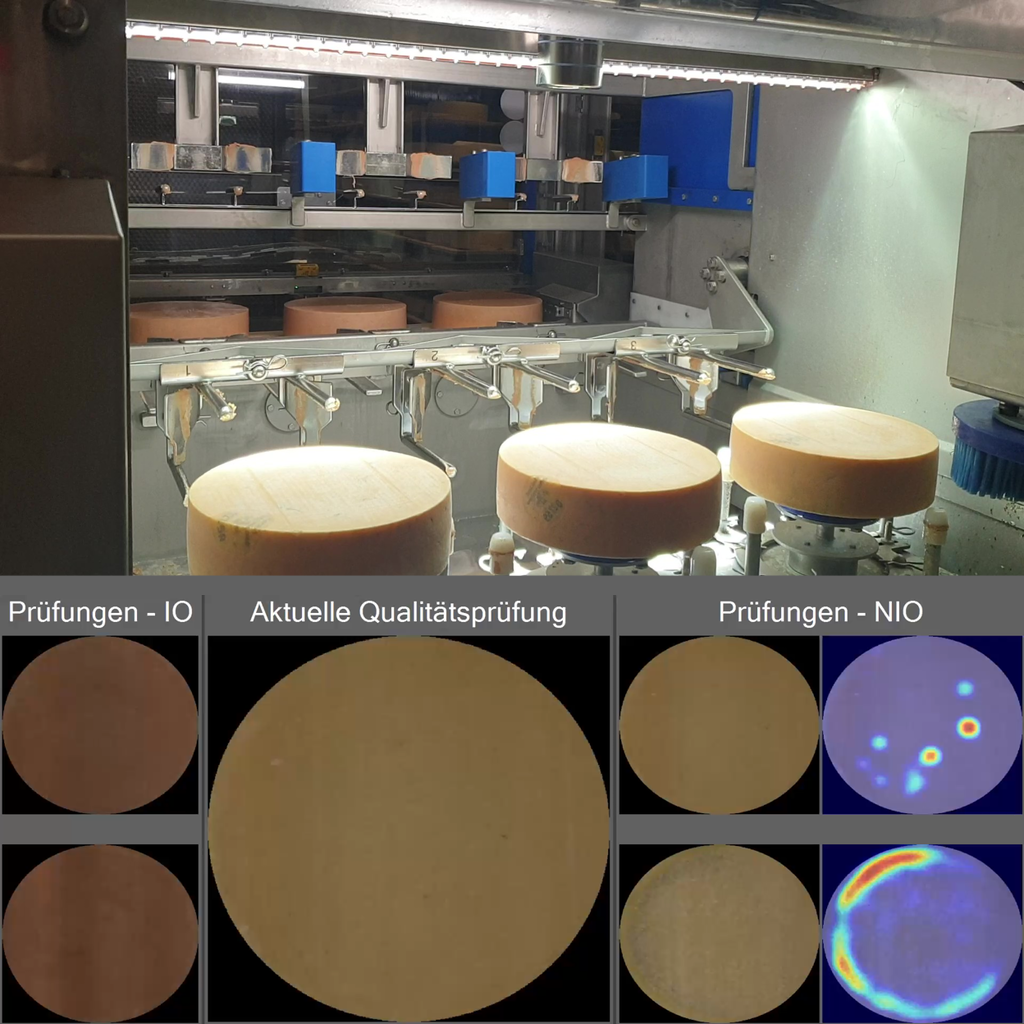
One example of such a solution is a fully automated system comprising a mobile maintenance robot and industrial image processing. This solution reduces the wastage of cheese wheels during the maturing process, improves quality and cuts costs. The combination of AI with industrial image processing enables increased productivity in the field of cheese quality control, particularly in quality assurance.
The solution comprises a care robot equipped with bar lighting and a 4K colour line scan camera. A compact industrial PC is used as the hardware, whilst a central computer at the customer’s site handles the deep learning-based classification. The MVTec HALCON software for industrial image processing is used in conjunction with our own ‘Storage’ software to monitor and document the care process.
Before each care process carried out by the robot, the cheese wheels are inspected for defects such as mould spores using machine vision. The images captured by the camera are analysed by the software. The results are stored in a database accessible via a web interface, enabling the customer to identify defective cheese wheels at an early stage and adjust the care process accordingly. At the same time, the mobile robot carries out the care tasks by brushing the cheese wheels and treating them with care fluids to control rind formation and remove unwanted slime layers.
The mobile robot moves through the cheese cellar and processes the cheese wheels in groups of three, each resting on a board. An image is captured for each set. After pre-processing, the image is sent to the customer’s central computer, where it is classified using deep learning. In addition, the position data of the cheese wheels is transmitted to determine the type of cheese and a unique cheese ID. This data, along with the analysis, is accessible to the customer via the warehouse management system.
Object Recognition
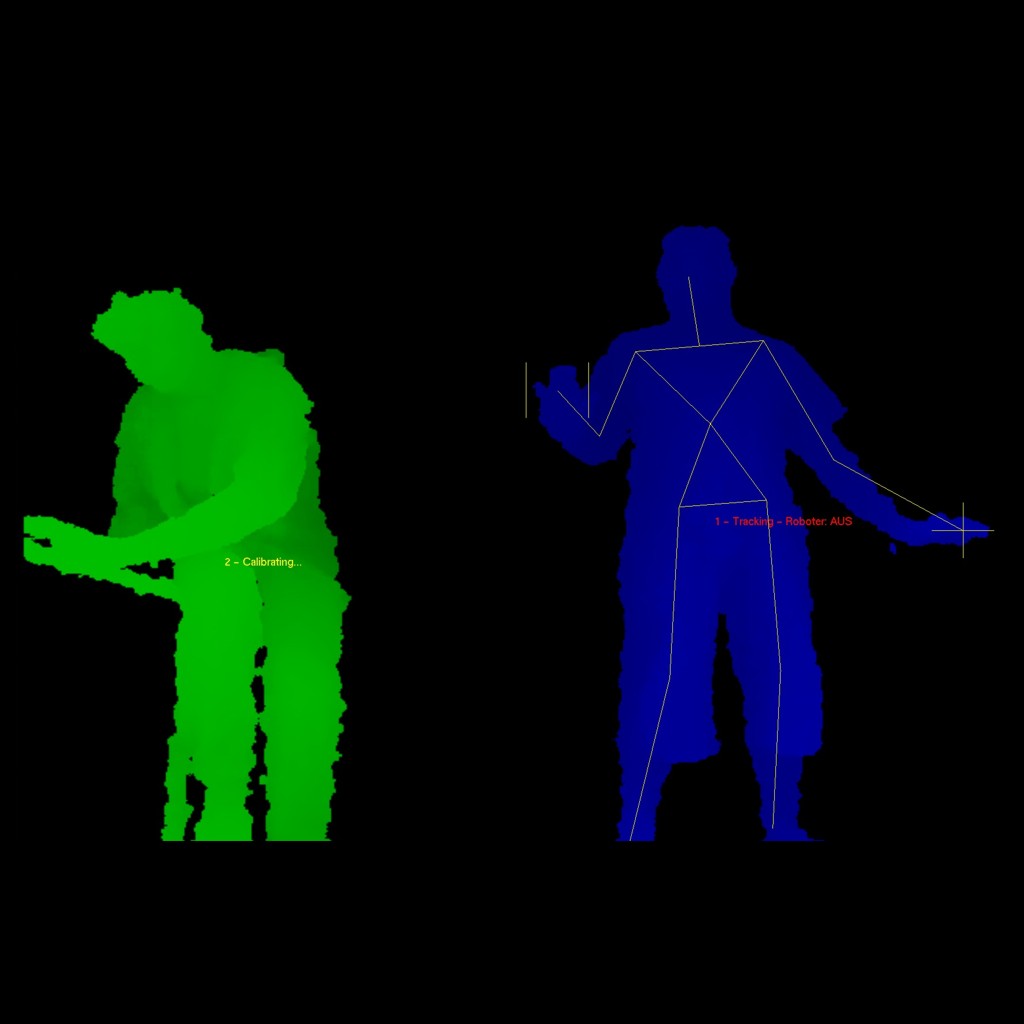
In many areas of automation, digital industrial cameras help identify objects. The identification of components takes place via shape and appearance or via a coding system.
The use of such systems is not tied to a certain position and often takes place in ongoing production processes.
A special application is the recognition and tracking of moving objects. This requires a high error tolerance of the control system. A working example is the remote control of robots by human gestures.
Camera systems are a fixed component in our automation solutions. We use the technology consistently to automate operational procedures. For this, we rely on our own in-house developments.
Through gesture control, we combine human fine motor skills with the power and capacity of a machine.
Surface Inspection
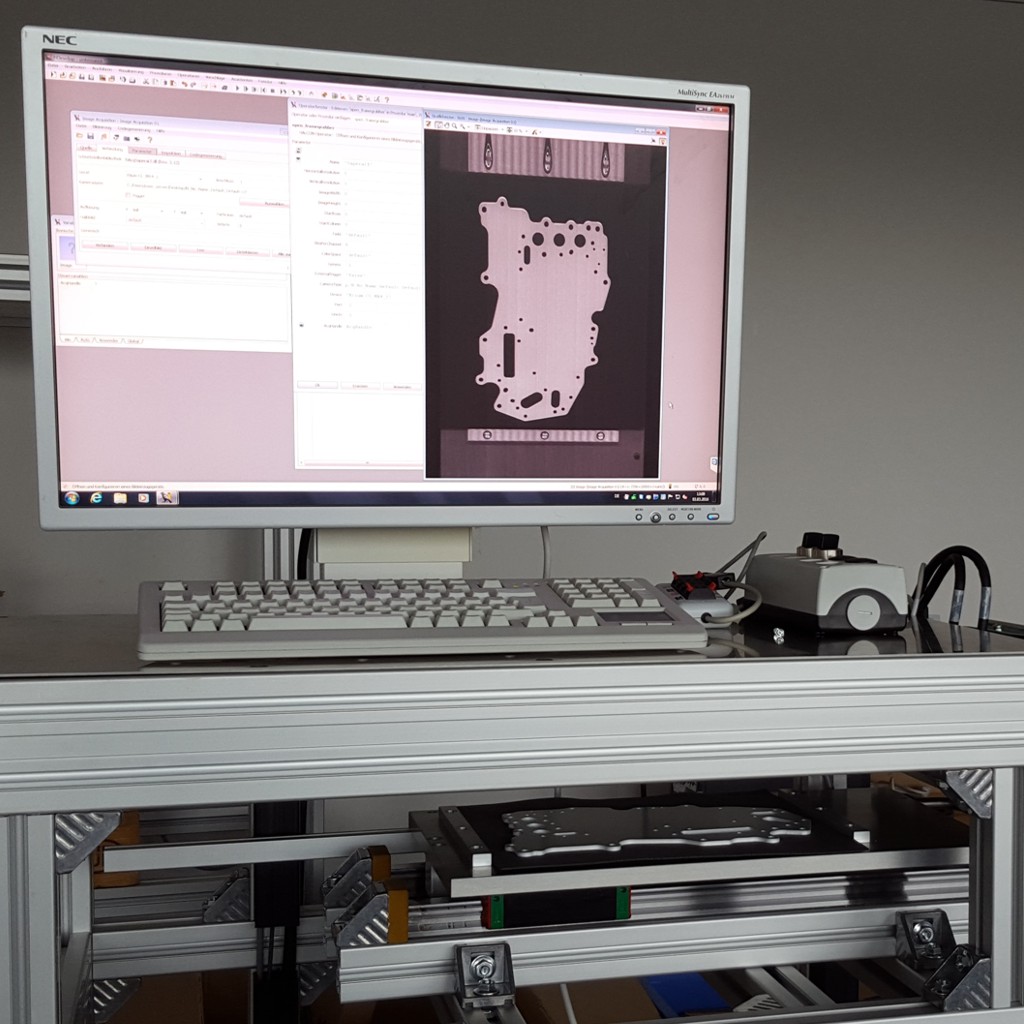
Camera applications are ideal for inspecting surfaces. The system automatically checks the condition of surfaces for predefined quality characteristics.
The fitting technology is chosen according to the requirements. Cameras scan the surface in either 2D or 3D. The control system evaluates the measured data and further processes them.
We use inline systems for inspection in high quality requirements on production lines.
With 3D scanning technology, we achieve high accuracy and reproducibility.
Assistance Systems
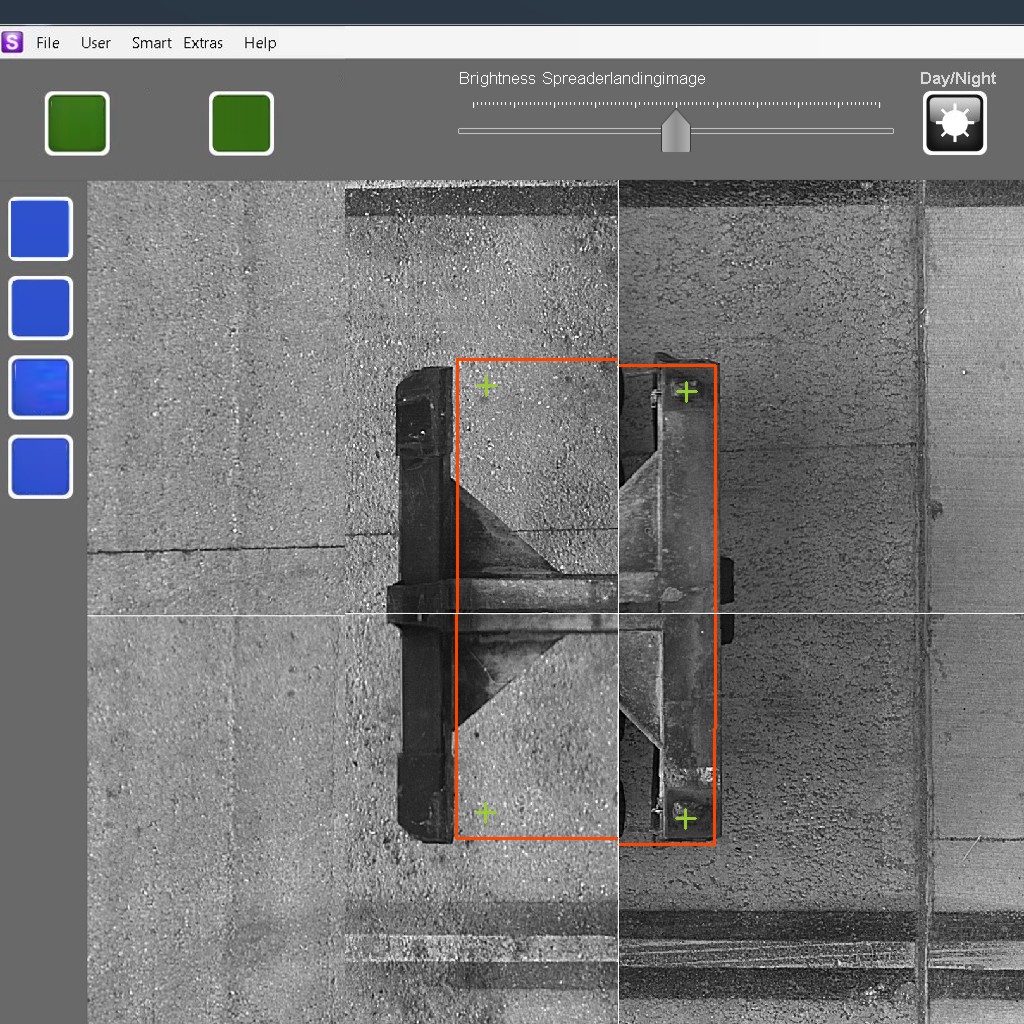
Assistance systems are used in applications where there is no insight into detailed process sequences, or when accuracy is required over a long distance.
Assistance systems are digital colleagues with a supporting role. The brand new technology “Augmented Reality” reflects digital information into reality.
These systems extend human perception and support, for example, the assessment of dangerous situations.
We are very successfully using assistance systems in lifting technology. The camera reliably spots in advance, what the human eye cannot capture from its perspective. The information, which is processed and then projected with actual data supplements the perception of man.
Object Measurement
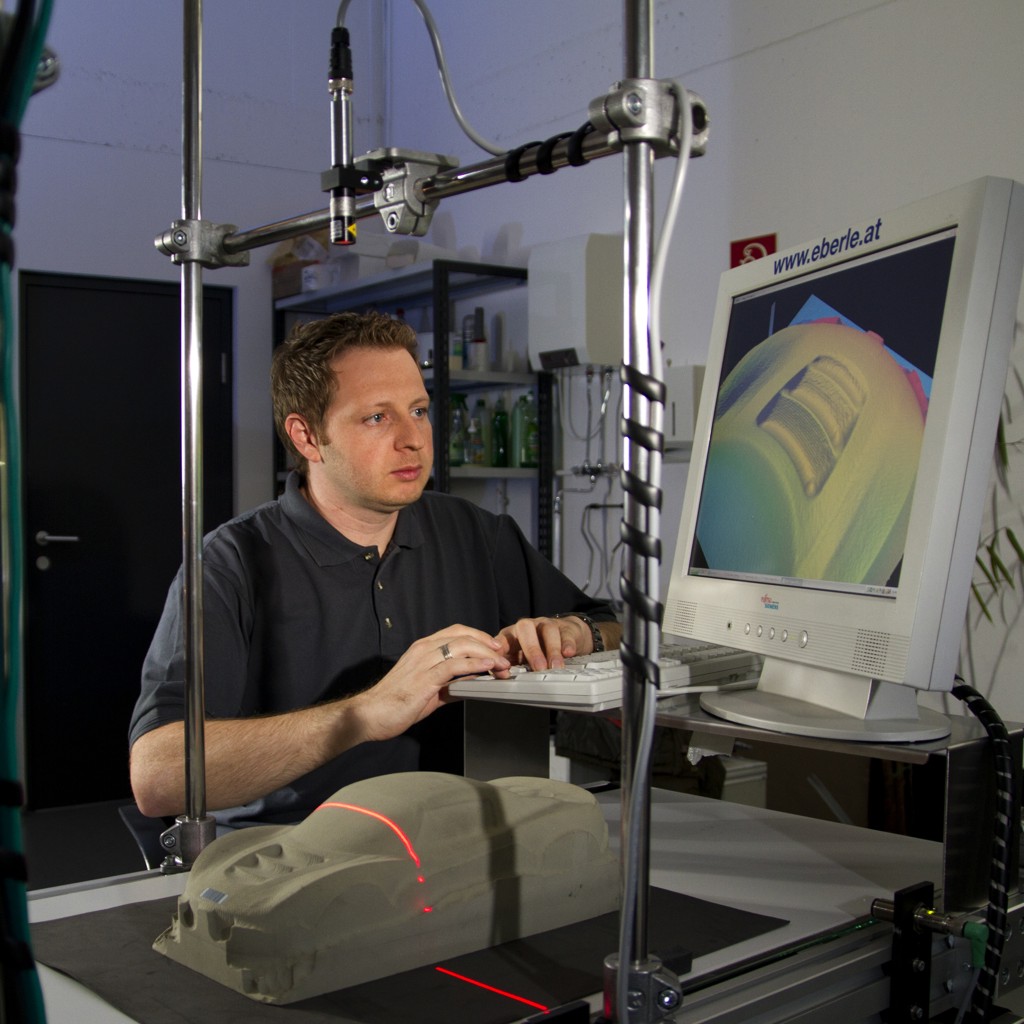
Object measurement is about precise shape and size accuracy. The data capture is carried out with high-resolution 3D camera systems. The software automatically compares the 3D scan with the specifications from the CAD model.
For example, we use digital object measurement for automatic quality control. The quality assessment is fully automated using the CAD model.